PORTFOLIO

PORTFOLIO
megdeitz@gmail.com
I’m Meg, a Seattle-based supply chain and operations professional with eight years of experience across CPG, wellness, and commodities. I work at the intersection of data, operations, and supply chain to help growing brands make better decisions and build the infrastructure to scale. I recently earned my M.S. in Supply Chain Management from the University of Washington’s Foster School of Business, specializing in analytical tools and technologies for solving complex operational problems.
Meg Deitz
Supply Chain · Sourcing ·Commercialization
About MeI've spent the last eight years managing operations and supply chain for organic ingredients, packaging, and global commodities across both direct and co-manufacturing environments, from regional producers to global portfolios. I specialize in sourcing, cross-functional programs, and technical product commercialization, and I thrive where structure needs to be built rather than inherited.
My approach is rooted in system-wide optimization rather than isolated functional fixes. Procurement, manufacturing, and logistics are interdependent, so decisions in one part of the supply chain can create hidden costs or capacity challenges elsewhere. I bring these moving parts together to evaluate supplier capabilities, dependencies, and risks while protecting margin while keeping the brand vision moving.
I started my career managing operations on a small regenerative farm and studying community development at the UC Davis College of Agriculture. That experience taught me to see supply chains as physical networks where raw material specifications, harvest cycles, production constraints, and vendor relationships directly shape what happens downstream. That perspective continues to inform how I approach risk, supplier reliability, and operational scale.
Backed by an M.S. in Supply Chain Management from UW Foster, I focus on bridging creative brand intent with supply chain realities. I help teams move from product concept to stable manufacturing and beyond. I add structure to complex problems, align teams around the decisions that matter, and build systems and tools that keep businesses moving forward.

Brands I Have Worked With 




Where I have OperatedCategories I Source
Packaging — primary & secondary
Co-manufacturing & Co-packing
Coffee & agricultural commodities
Organic ingredients & raw materials
Botanical & nutraceutical inputs
Functional ingredients
Marketing — Content, Influencer, & PR
Indirect & professional services
Freight & logistics
Functions I've Led
Supply chain & operational analytics
Financial, COGS & TCO modeling
Product commercialization & launch execution
KPI dashboards & variance analysis
S&OP & demand planning
Supplier performance & category strategy
Process mapping & root-cause analysis
Supplier negotiation & contract management
Spec optimization & complexity reduction
Data cleanup & ERP governance
Cross-functional program management
Certifications: Lean Six Sigma Green Belt
Materials I Worked With
Rigid plastics — bottles, closures
Flexible packaging & laminates
Recycled & sustainable substrates
Corrugate & shipping materials
Vegetable fats and Oils
Organic & fair trade ingredients
Custom Tooling & Cap-Ex
Botanical extracts & actives
Vitamins, minerals & supplements
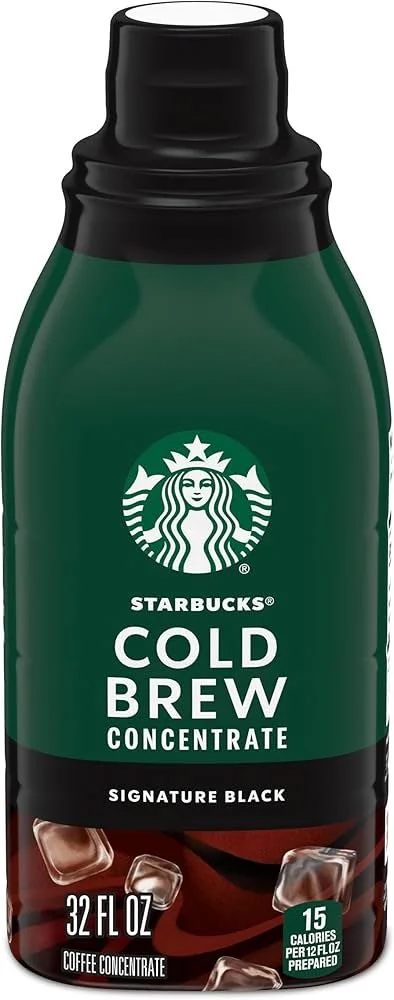
Coffee — green, roasted & RTD formats
Flavors
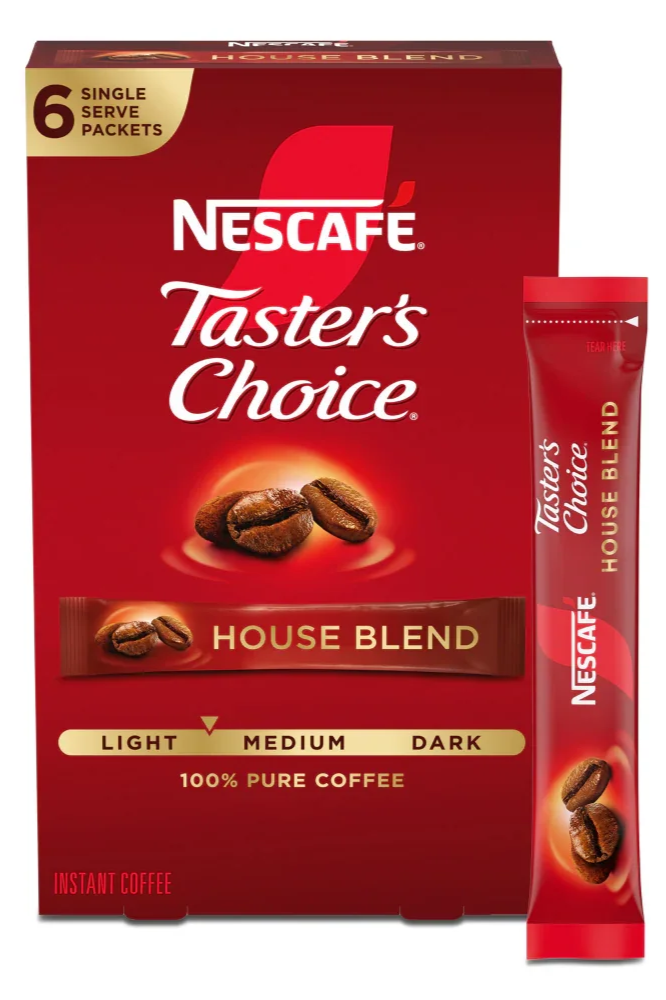
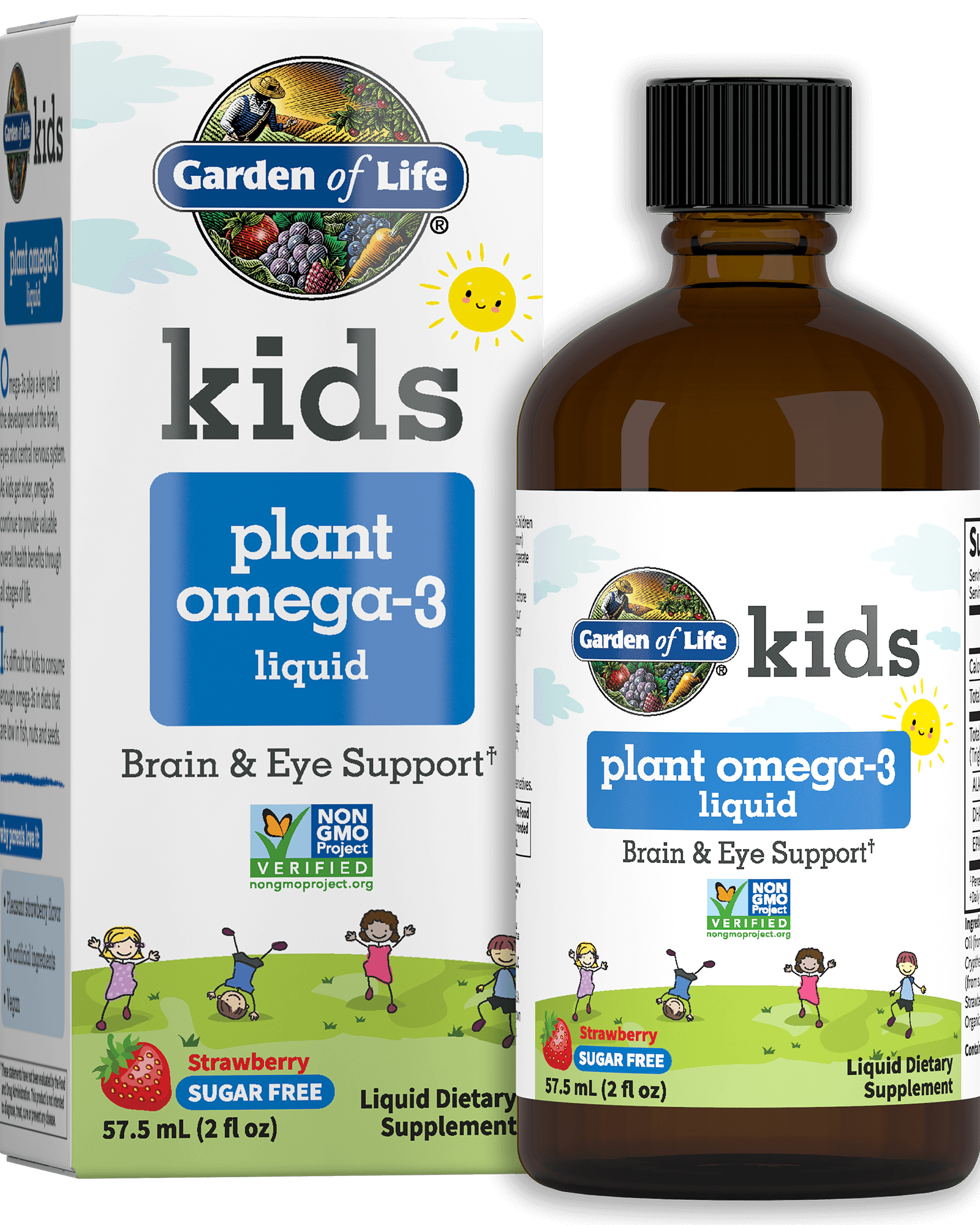
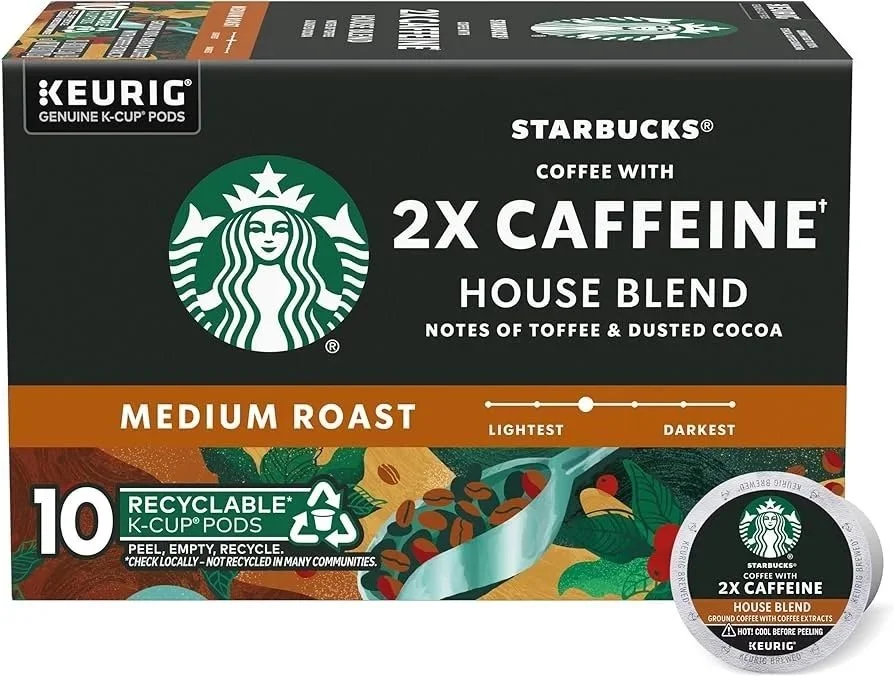
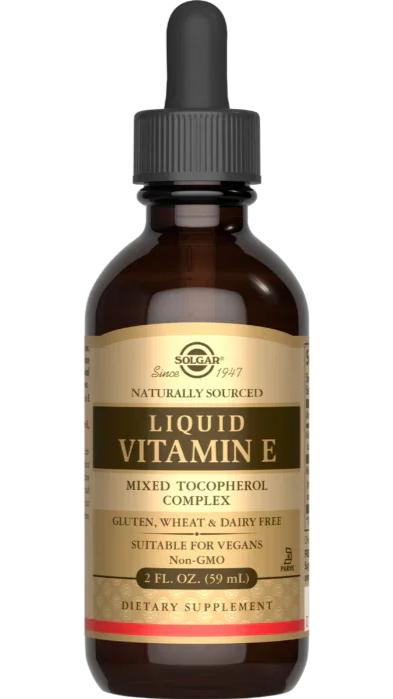
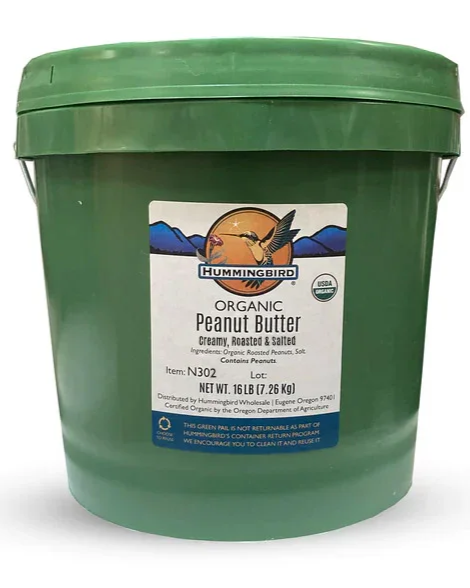
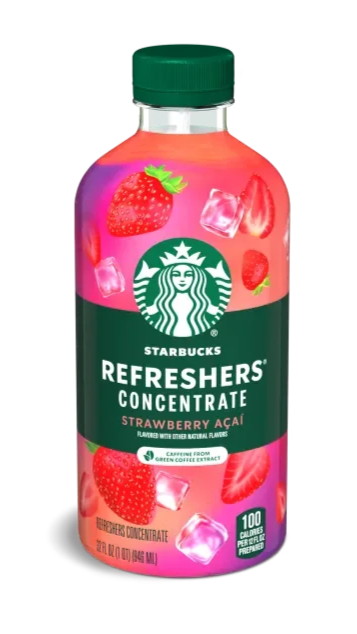
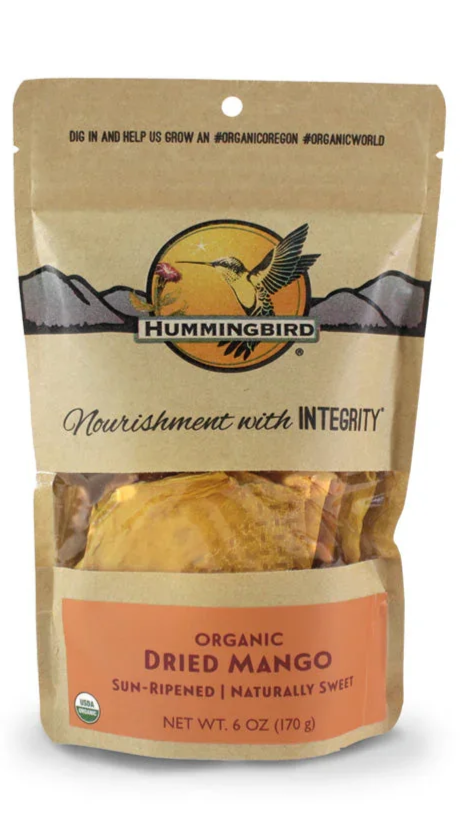
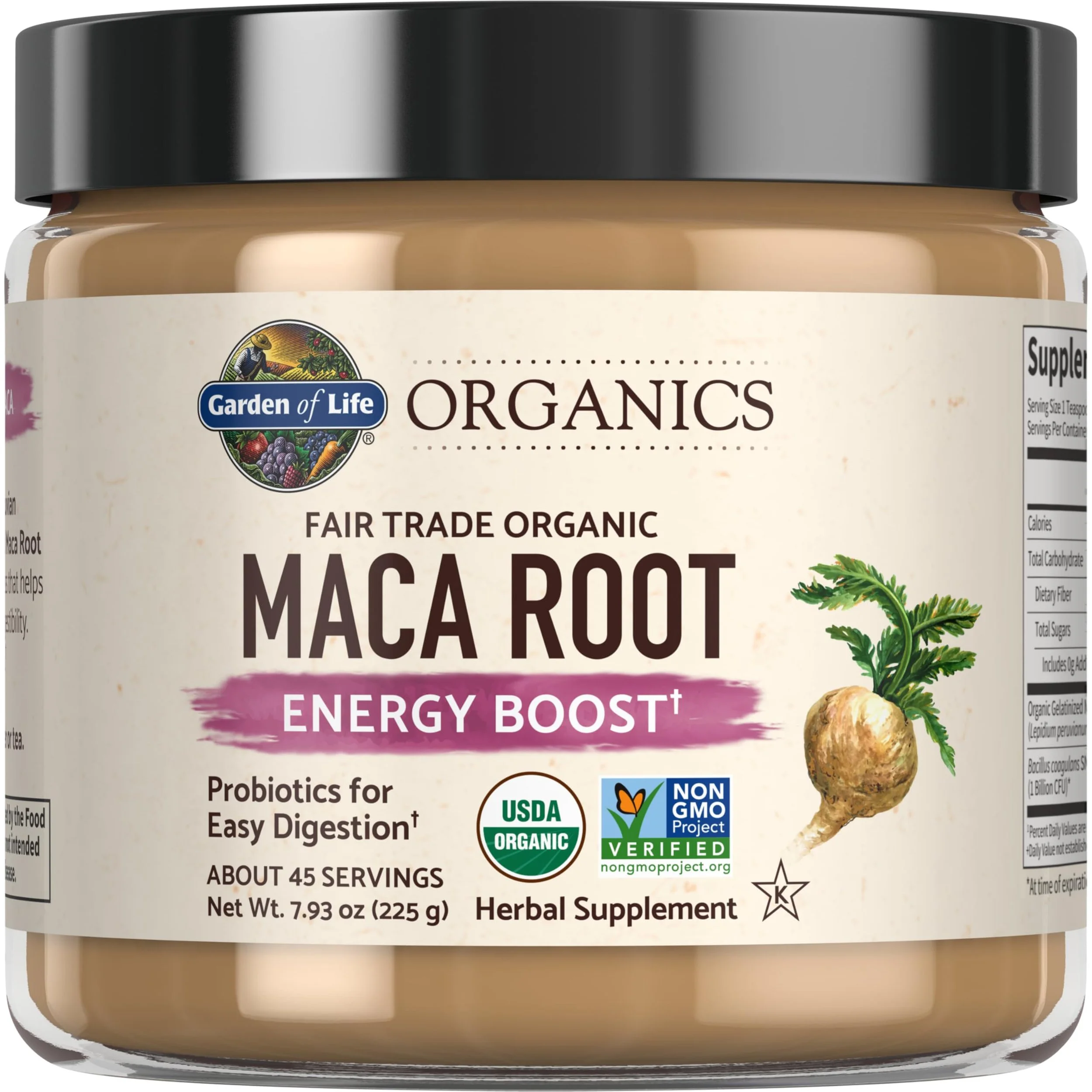
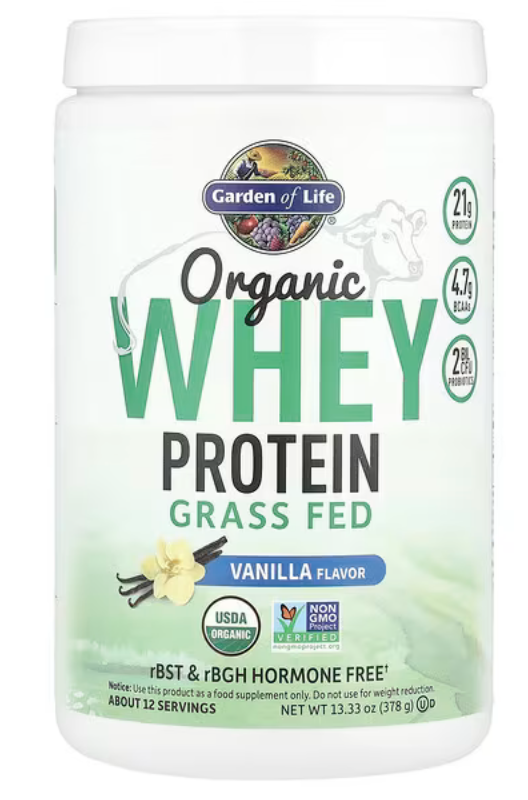
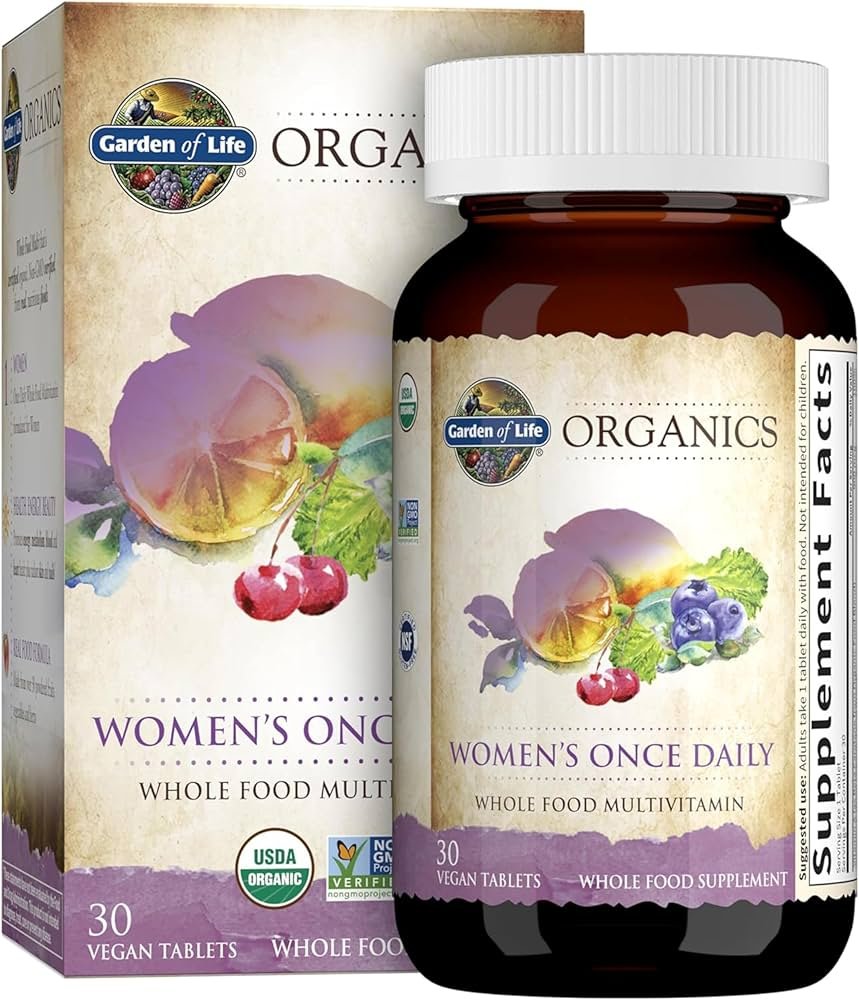
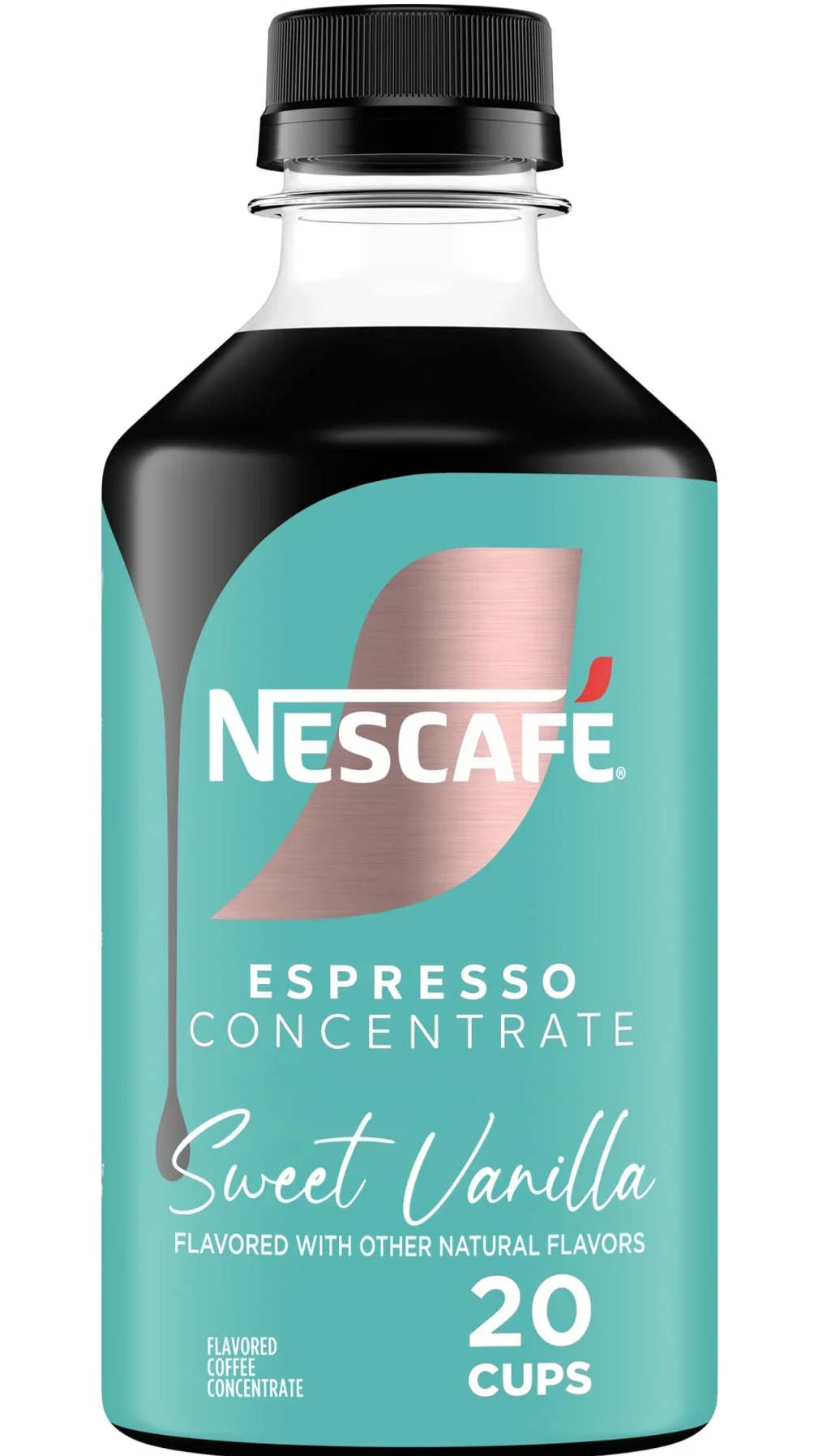
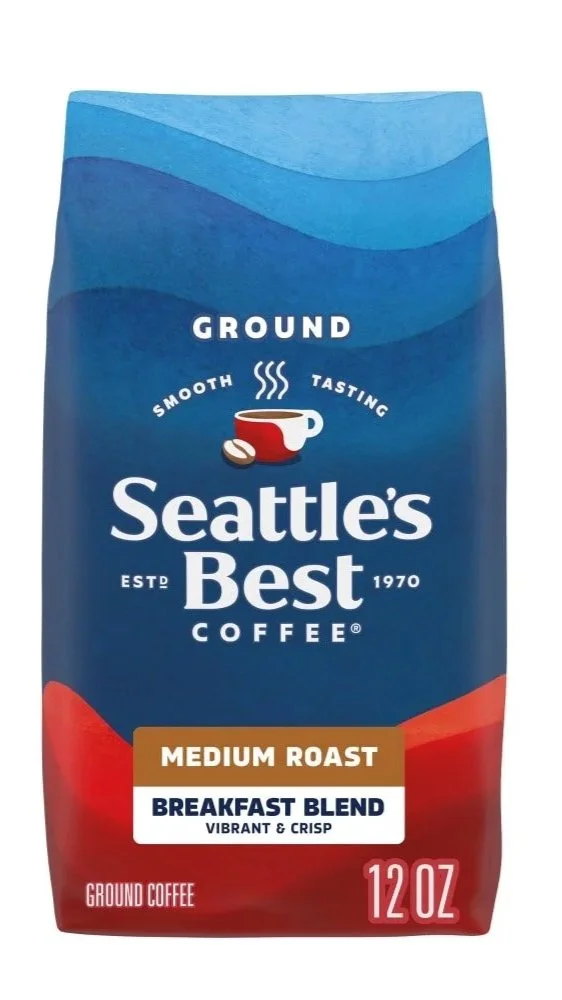
Products I have Worked on 


Programs I HAVE LED-
Evaluated product and material changes to reduce cost while maintaining product performance. Worked across sourcing, technical, quality, and brand teams to evaluate tradeoffs and validate the selected option.
Results & Impact
• Evaluated material and formulation alternatives against cost, supply, and performance requirements
• Coordinated commercial and technical trials with suppliers and manufacturing partners
• Managed bench-top sampling and sensory panels to validate product performance
• Reduced reliance on a single commodity source
• Identified a lower-cost path without compromising the finished product -
Project Overview
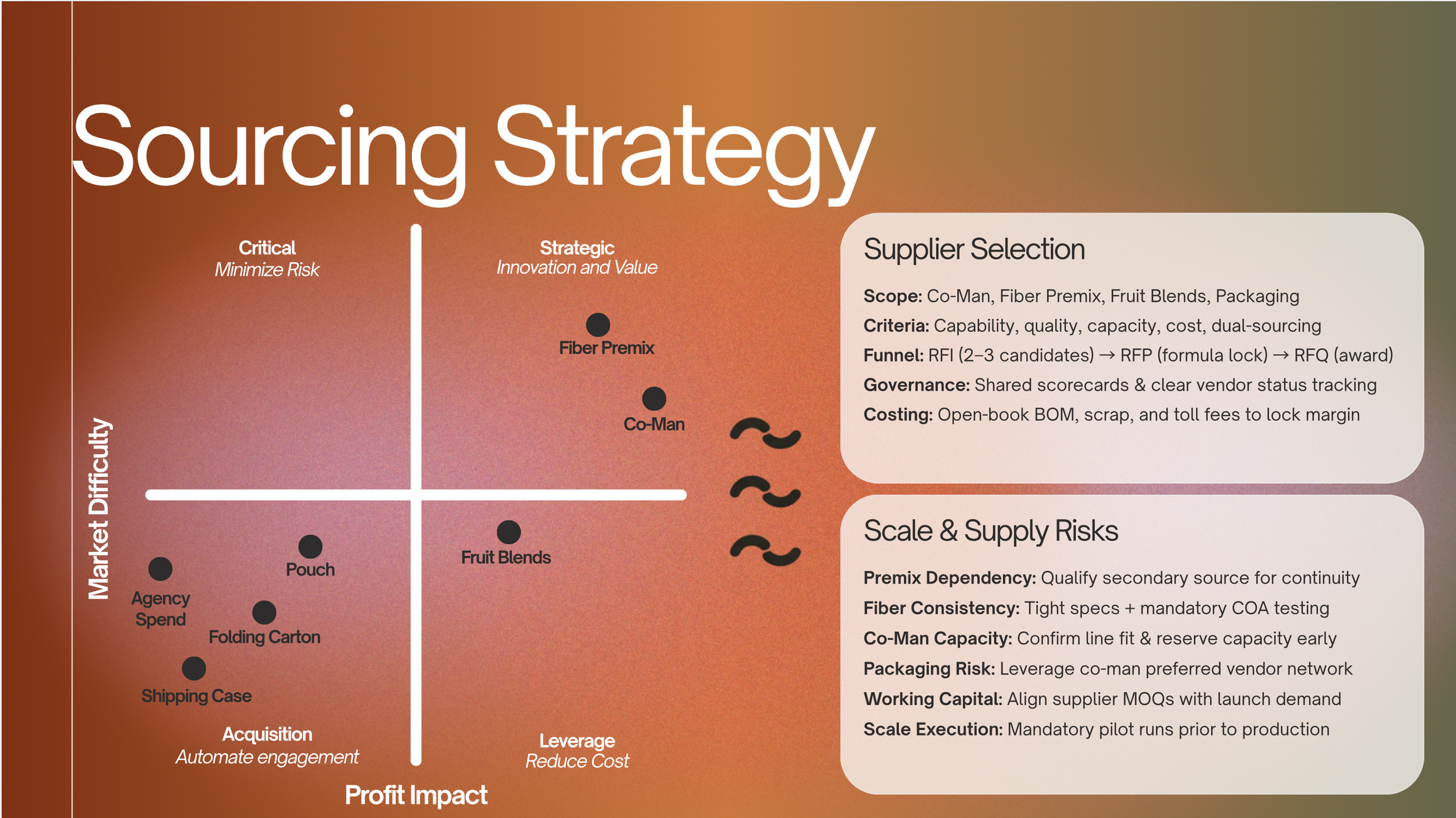
Built a packaging sourcing strategy across a multi-SKU portfolio, evaluating component specifications, supplier capabilities, tooling, volumes, and co-manufacturer requirements.Results & Impact
• Identified opportunities to standardize bottles, tubes, pumps, and closures
• Mapped tooling ownership and lifecycle requirements
• Identified supplier consolidation and volume-alignment opportunities
• Addressed co-manufacturer dependencies and supplier handoffs
• Built a sourcing roadmap to reduce complexity and cost -
Project Overview
Aggregated spend across a fragmented packaging category to identify supplier overlap, consolidate volume, and create sourcing leverage. Used the combined volume to negotiate supplier investment in packaging changes, including lightweighting, PCR inclusion, and custom tooling.Results & Impact
• Consolidated category spend and supplier volume to increase sourcing leverage
• Evaluated supplier capabilities, pricing, specifications, and tooling requirements
• Secured supplier absorption of costs associated with lightweighting and PCR inclusion
• Negotiated custom tooling as part of the supplier strategy rather than treating it as a standalone cost
• Reduced supplier complexity while advancing cost and packaging objectives
Sourcing & Procurement
Commercialization & Operations
-
Project Overview
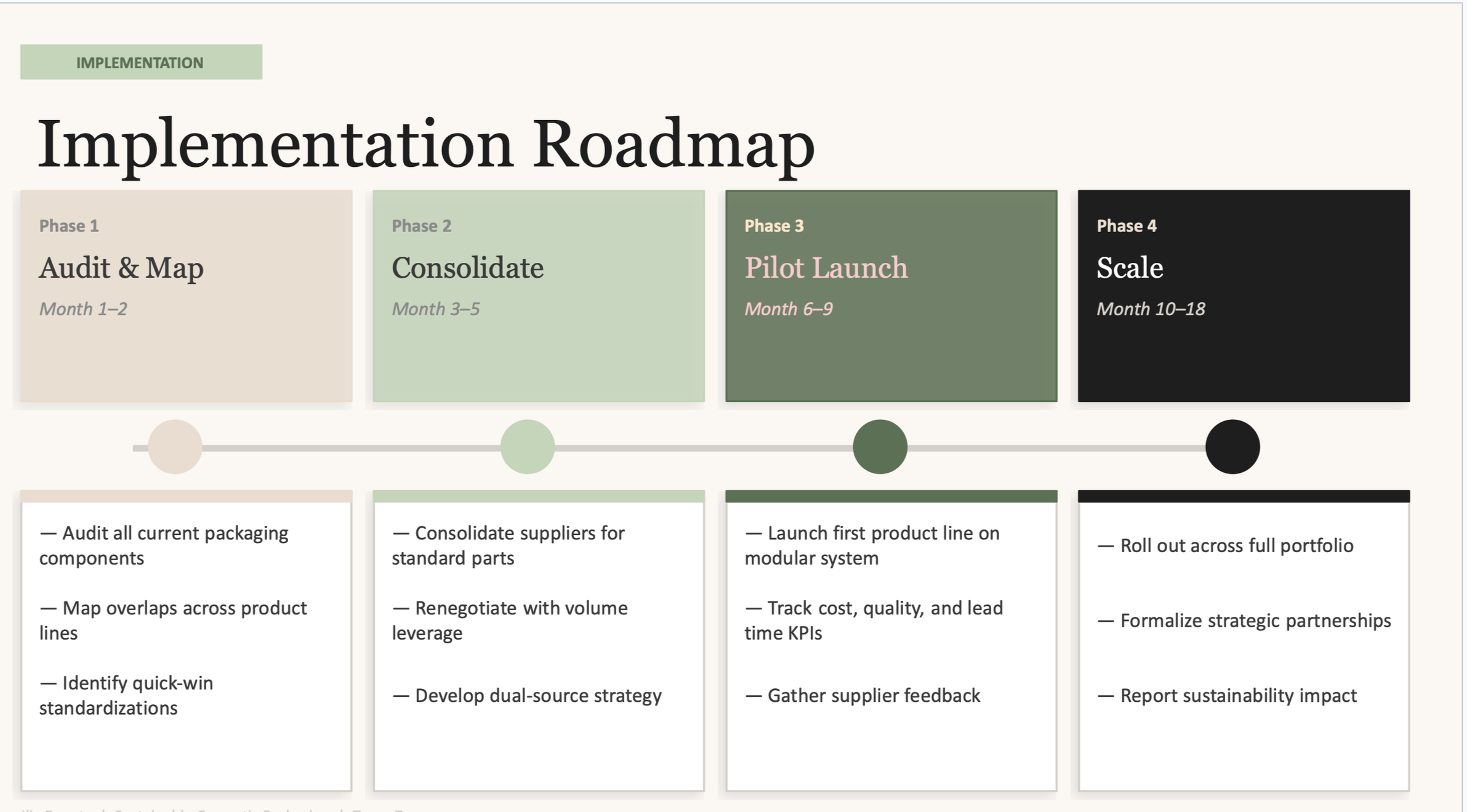
Built the sourcing and commercialization plan for a new consumer product from concept through launch. Owned supplier strategy, costing, material requirements, manufacturing approach, and the critical path.Results & Impact
• Ran RFI, RFP, and RFQ processes across suppliers and manufacturing partners
• Built a bottom-up BOM and cost model to establish target COGS and margin
• Evaluated make-vs-buy and supplier options based on cost, capability, and complexity
• Coordinated formulation, packaging, sourcing, and manufacturing requirements through launch -
Project Overview
Reduced material and supplier complexity across an established product portfolio. Mapped specifications, supplier capabilities, and manufacturing requirements to identify changes that could reduce cost without changing the finished product.Results & Impact
• Delivered first-year cost and efficiency improvements
• Consolidated suppliers and standardized material specifications
• Coordinated commercial and technical trials with suppliers and manufacturers
• Managed bench-top sampling and sensory panels to confirm product performance -
Mapped a multi-step manufacturing process to identify bottlenecks, handoff issues, and sources of rework. Worked with operational and technical teams to identify root causes and redesign the process.
Results & Impact
• Identified the root cause of a recurring supply constraint
• Mapped current- and future-state workflows
• Redesigned process steps to improve flow and reduce manual work
• Improved visibility into operational risks and dependencies
Data, Systems, & Analytics
-
Project Overview
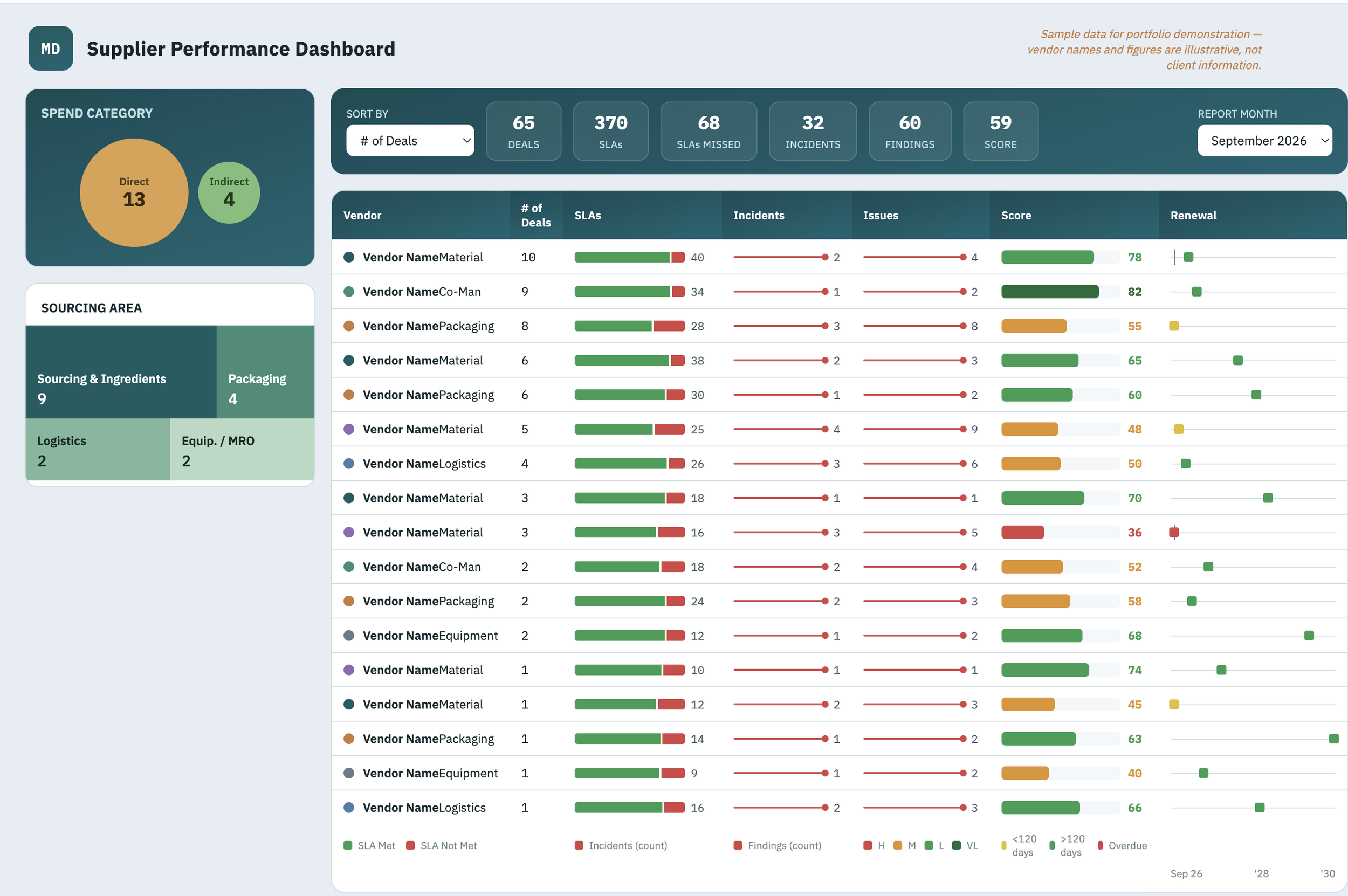
Designed an indirect procurement program for a global IoT and fleet management company to bring structure to a fragmented vendor base. Built the supplier segmentation, evaluation model, preferred-vendor criteria, onboarding process, compliance controls, and governance model from the ground up.Results & Impact
• Segmented vendors by spend, business criticality, risk, and supplier relationship
• Built a supplier scoring model to determine preferred-vendor status
• Defined onboarding, contracting, performance, and review requirements
• Designed controls to reduce maverick spend and improve purchasing compliance
• Built ongoing supplier governance and performance management processes
• Identified AI automation opportunities to reduce manual procurement workflows -
Project Overview
Conducted a full review of supplier and product documentation within ERP systems to identify missing or outdated materials. Designed a risk-based approach to close gaps and establish a more reliable documentation ecosystem.
Results & Impact
• Closed 100% of high-priority documentation gaps
• Improved audit readiness and reduced compliance exposure
• Saved teams 5–8 hours per week in manual follow-ups
• Strengthened long-term data governance
MODELS & TOOLSData & Reporting Tools
-
Cleaned and combined fragmented datasets, built relational tables using SQL, and translated the resulting data into visual analysis in Tableau.
Results & Impact
• Built relational data structures and join logic
• Cleaned and standardized large historical datasets
• Developed decision-ready visualizations
• Translated complex datasets into accessible trend analysis -
Built a centralized material and packaging database for Garden of Life to consolidate supplier, material, packaging, and cost information across the manufacturing network.
Results & Impact
• Consolidated fragmented material and packaging data into a centralized database
• Created visibility into supplier, material, and packaging attributes across the portfolio
• Used the database to identify cost discrepancies and sourcing opportunities
• Established a more reliable data foundation for procurement and sourcing decisions
Spreadsheet Models
-
Project Overview
Built a monthly demand forecasting model using 48 months of historical sales data. Used Holt-Winters exponential smoothing to model trend and seasonality, tested multiple parameter combinations, and generated a 12-month forward forecast.Results & Impact
• Built the forecasting model in Excel and evaluated forecast accuracy using Mean Absolute Deviation
• Tested nine combinations of trend and seasonal parameters
• Identified the best-performing model
• Generated a 12-month forecast for future planning -
Project Overview
Built an Excel Solver model to determine the optimal production mix across three products under machine capacity, product mix, and production constraints.Results & Impact
• Modeled production quantities as decision variables
• Built machine-capacity and product constraints into the model
• Maximized total production profit subject to operational limits
• Used integer programming and Excel Solver to identify the optimal production plan -
Built an integer programming model to determine production quantities while accounting for fixed startup costs and customer-specific order requirements.
Results & Impact
• Modeled production quantities as integer decision variables
• Incorporated fixed production costs into the objective function
• Applied production capacity and customer order constraints
• Used Solver to identify the profit-maximizing production plan -
Built a distribution network model to evaluate how product should flow across a multi-node network while balancing transportation costs and facility capacity.
Results & Impact
• Modeled shipment quantities across distribution routes
• Incorporated supply and demand constraints
• Evaluated total network cost under alternative configurations
• Used Solver to identify the lowest-cost network allocation -
Built an inventory optimization model to evaluate order quantities and service decisions under demand uncertainty, using probability and cost trade-offs to determine the appropriate inventory position.
Results & Impact
• Modeled demand uncertainty and inventory risk
• Evaluated the trade-off between excess inventory and stockout exposure
• Applied critical-ratio analysis to determine the target service level
• Used the model to evaluate inventory decisions under different demand scenarios -
Analyzed a multi-stage operating process to identify capacity constraints, utilization, bottlenecks, lead time, and WIP. Evaluated how process changes could improve throughput and flow.
Results & Impact
• Calculated capacity and utilization across process stages
• Identified the system bottleneck and its impact on throughput
• Evaluated lead time and WIP relationships
• Assessed pooling and cross-training as capacity interventions
experiencesSr. Business Partner, Procurement
2024-2026
Nestle USA, Coffee and Beverage
I led business operations for procurement across a four-brand portfolio spanning packaging, commodities, and co-manufacturing. Built the operating and financial frameworks supporting 50+ innovation and renovation projects, including a 25-SKU relaunch across five co-manufacturers. Owned process mapping, TCO and financial modeling, PPV reporting, and cost analysis to identify drivers, evaluate tradeoffs, and inform sourcing and supply decisions. Led cost initiatives across packaging and commodities, managed commodity exposure through a complex tariff environment, and oversaw marketing agency spend.
Connected data, financials, and operations to drive decisions across sourcing, commercialization, and supply continuity.
Business Partner, Procurement
Garden of Life, Nestle Health Sciences
I joined a newly established procurement function at a high-growth supplement brand in an acquisition environment, managing materials and packaging across a complex manufacturing network. I built visibility into material demand, supplier pricing, and packaging costs, ran the first RFPs across the portfolio, and developed supplier relationships and commercial agreements. I also worked upstream with suppliers and co-manufacturers to understand cost drivers and improve sourcing and manufacturing decisions.
I then led business operations for procurement across 30+ innovation projects I the Nestle Health Science VMS portfolio, building costing tools and material databases to connect supplier, pricing, and specification data to sourcing and product development decisions. I managed competitive bids, supplier requirements, and material qualifications through development, and established a packaging category strategy aligned with cost, sourcing, and sustainability priorities.
Following the brand’s acquisition, I supported the manufacturing transition by translating supply and supplier data, onboarding premix suppliers, and managing manufacturing changes across the portfolio.
2022-2024
Supply Chain Specialist
Hummingbird Wholesale
I owned the end-to-end supply chain for a 200+ SKU organic and natural food portfolio, spanning demand planning, supply planning, sourcing, inventory, S&OP, and inbound freight. I worked directly with farmers, growers, suppliers, production, and quality to manage supply from purchase order through receipt.
I built the planning and purchasing structure for the portfolio, developing pre-season grower contracts and using consumption patterns, seasonality, order behavior, supplier reliability, safety stock, and production requirements to determine purchasing needs and place POs against demand. This brought structure and shared risk to supplier relationships that had previously been managed informally.
I also built supply-chain infrastructure across 500+ SKUs, closing 100% of high-risk documentation gaps and creating traceability from supplier through warehouse.
2021-2022
I managed day-to-day operations on a regenerative farm on San Juan Island and directed a regional food supply program for REI Experiences, owning logistics, vendor coordination, and program execution end to end.
This work gave me firsthand experience managing physical supply constraints, raw material quality, and vendor relationships. It also built the operational foundation I use today to evaluate supply risk, troubleshoot problems, and build the tracking tools needed to manage programs at scale.
2018-2021
Early Operations and Supply Chain Roles

Education
A technical, applied graduate program centered on data modeling, operations strategy, network design, and process optimization. Built a core foundation in end-to-end value chain analytics, structuring data-visibility models, and managing technical risk assessments across complex consumer brand and commodity networks.
Key Coursework: Spreadsheet Modelling, Project Management, Supply Chain Analytics, Operations & Logistics, Data Modeling & SQL, Financial Decision-Making, Process Improvement, Sourcing Strategy, Network Design, Sustainability & Circular Systems.
M.S. Supply Chain Management

An interdisciplinary program at the world's top-ranked agricultural institution, focusing on how regional supply frameworks, crop systems, and human infrastructure intersect to shape real-world operational outcomes. Completed field-based systems mapping and research tracking localized value chains and community distribution mechanics.
Key Coursework: Community Development, Global Social Change, Sustainable Food Systems, Rural Development, Statistics, Field Research Methods.
B.S. Community Development

Human Rights Studies (Minor)
An international immersion program in Santiago, Chile, focusing on cross-cultural communications, legal frameworks, and community development across Latin America, conducting all research, systems tracking, and academic fieldwork.




Get in touch